About Studio Noort
Studio Noort combines design research, craft and storytelling to explore alternative futures that revolve around sustainability, equity and craftsmanship.
Through tactile, participatory design, I create experiences that help people shape societal transitions.
Approach
Design Principles
Craft as Care
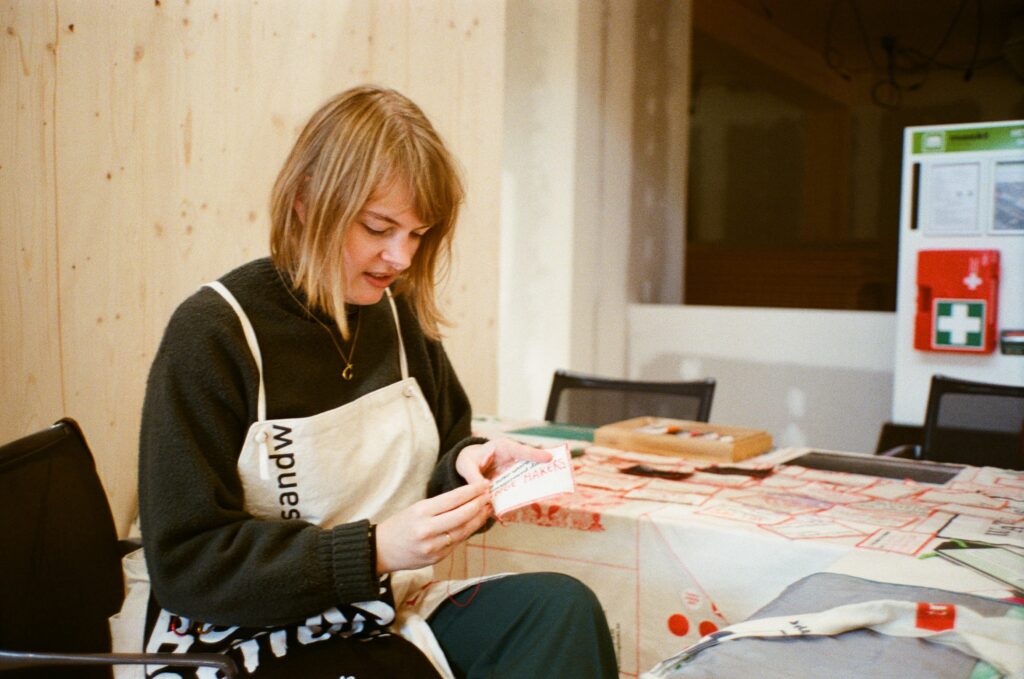
I use making as a way of thinking and connecting. Working with materials hands-on allows me to slow down, notice detail, and surface stories.
I use a wide array of materials for my projects, but tend to lean into softer materials, such as textiles, yarn and paper.
Mess as Method
Rather than polishing everything to perfection, I embrace uncertainty and visible process. Mess is a tool for exploration: layering materials, trying multiple iterations, and letting ideas evolve through trial and error. It opens space for creativity, cross-pollination, and new ways of seeing.

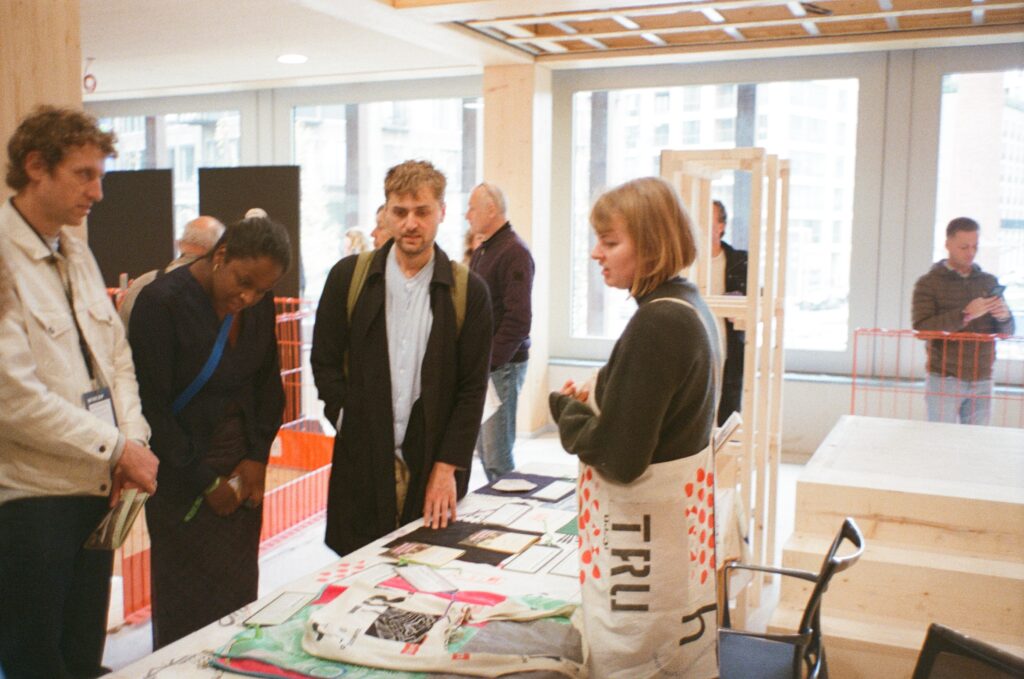
Imagination as Action
My work is rooted in possibility. By imagining alternative futures, I aim to spark optimism and agency. Hope is not naive; it is a practice that guides design choices, storytelling, and participatory experiences. These futures help remind people that change is possible and desirable.
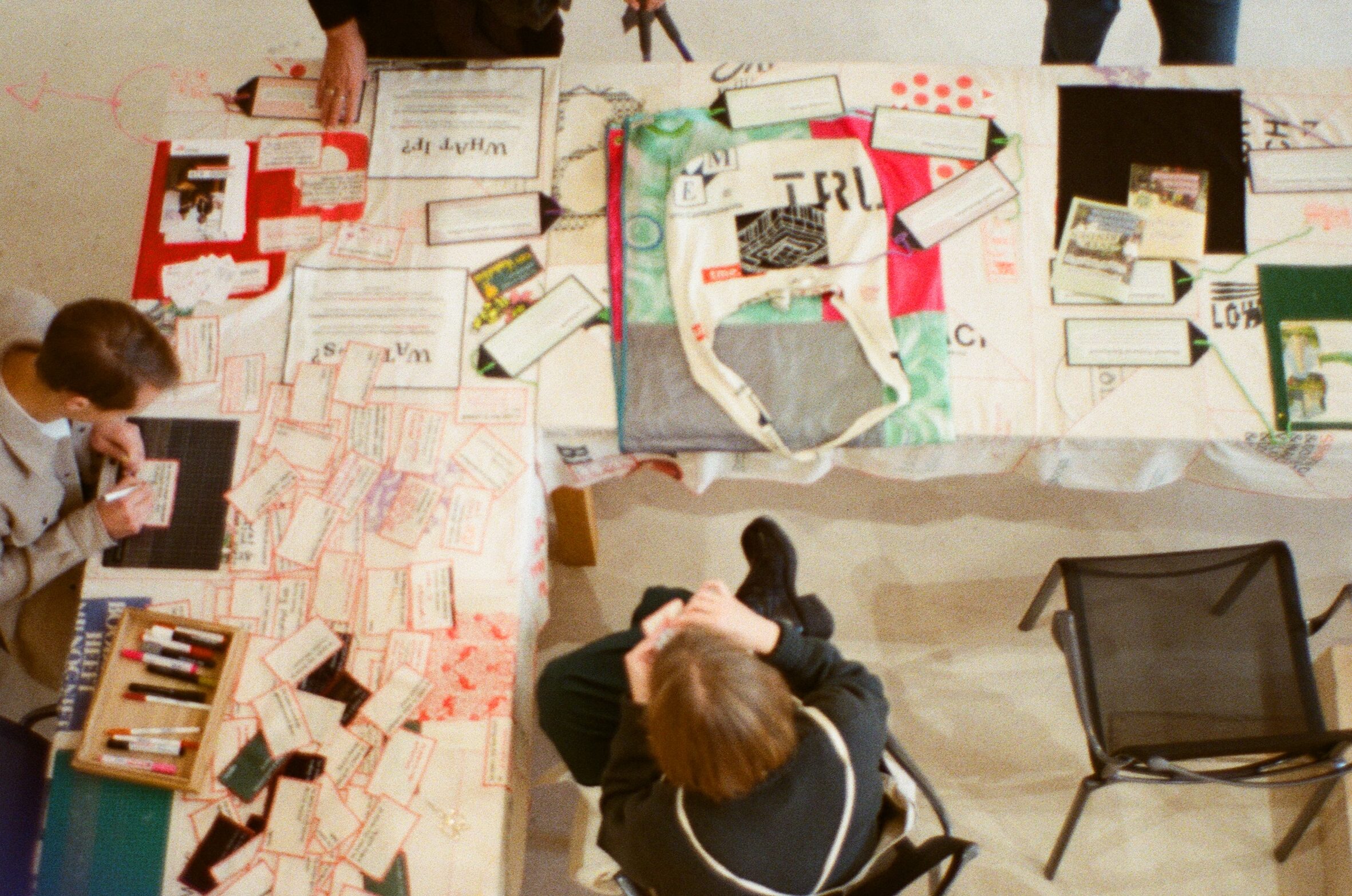
Collective Futures
The future is not something I design alone. I create formats that invite others to contribute, reflect, and co-create. Participation is built into the process through workshops, exhibitions, or collaborative making. In this way, futures are collectively imagined and owned.
Ways of Working
At Studio Noort, every project begins with curiosity and unfolds through making.
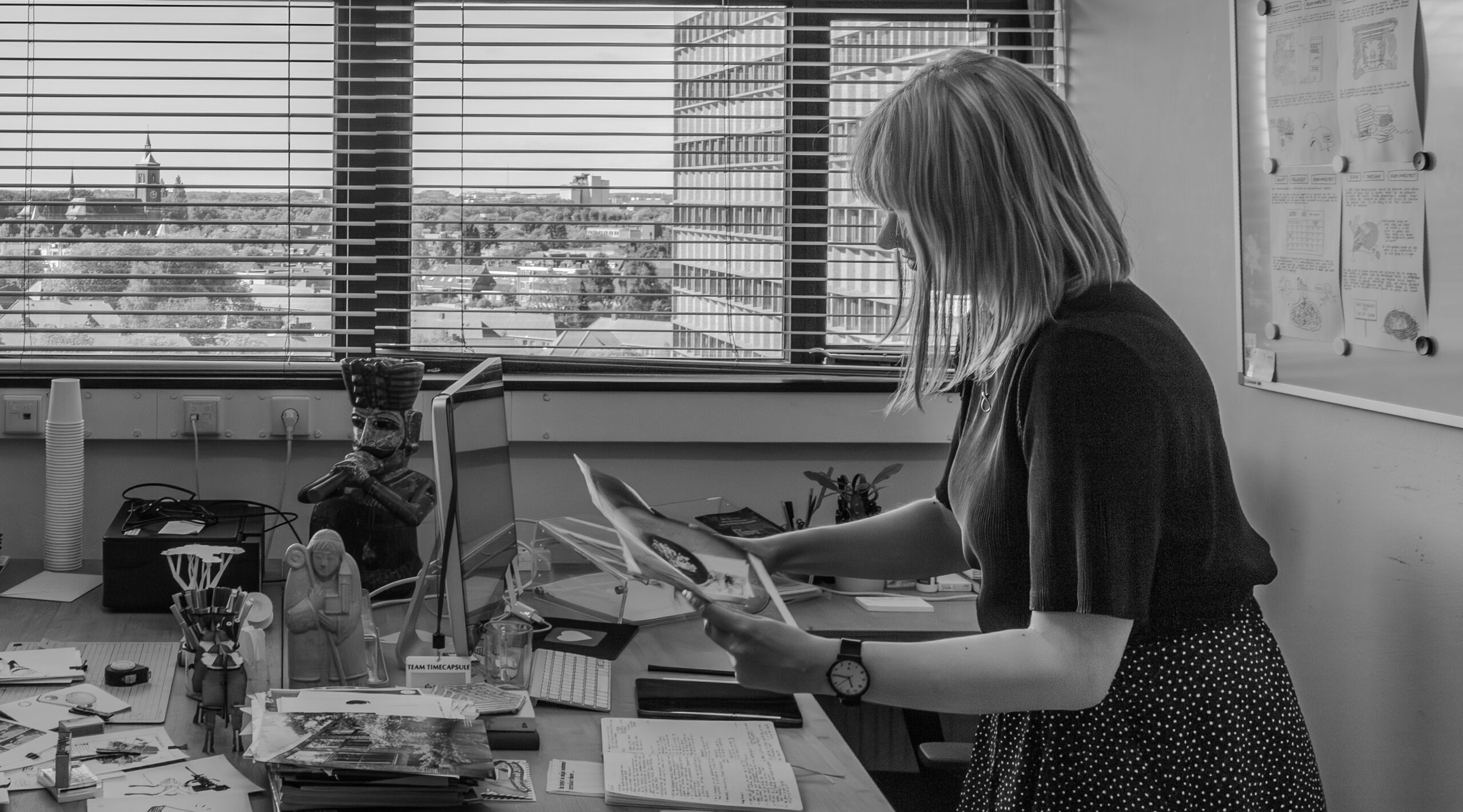
I work at the intersection of design research, craft and storytelling. My work moves between thinking and doing, between the head and the hands.
Each project follows its own rhythm, but they often move through five overlapping ways of working, from investigation to invitation:
Investigate
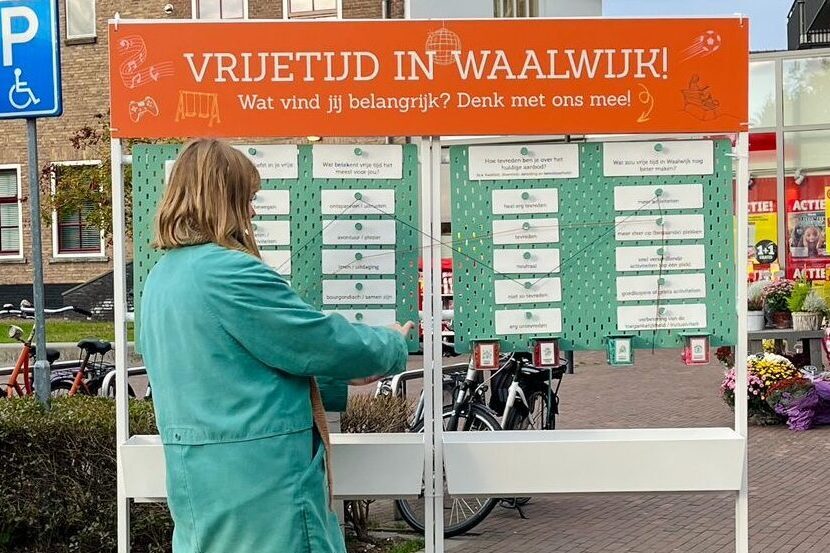
Every project begins with curiosity. I start by looking closely at materials, stories, systems and relationships that shape how we live and care. Through interviews, fieldwork, and contextual research, I uncover perspectives that might otherwise go unseen. This phase is about listening and sensing what lies beneath the surface.

Interpret
I translate what I find through making. Rather than only analysing, I stitch, draw, and craft to understand. Working with fabric, paper or data, I turn information into tactile artefacts that invite reflection. Making is how I think — it helps me transform abstract insights into something others can touch and feel.

Imagine
I explore what could be. Using storytelling, speculative design and world-building, I create glimpses of alternative futures. These imagined worlds help suspend disbelief and make it easier to see that change is possible. Additionally, they help to consider what it might look like if we designed with care, creativity and sustainability at the centre.
Inspire
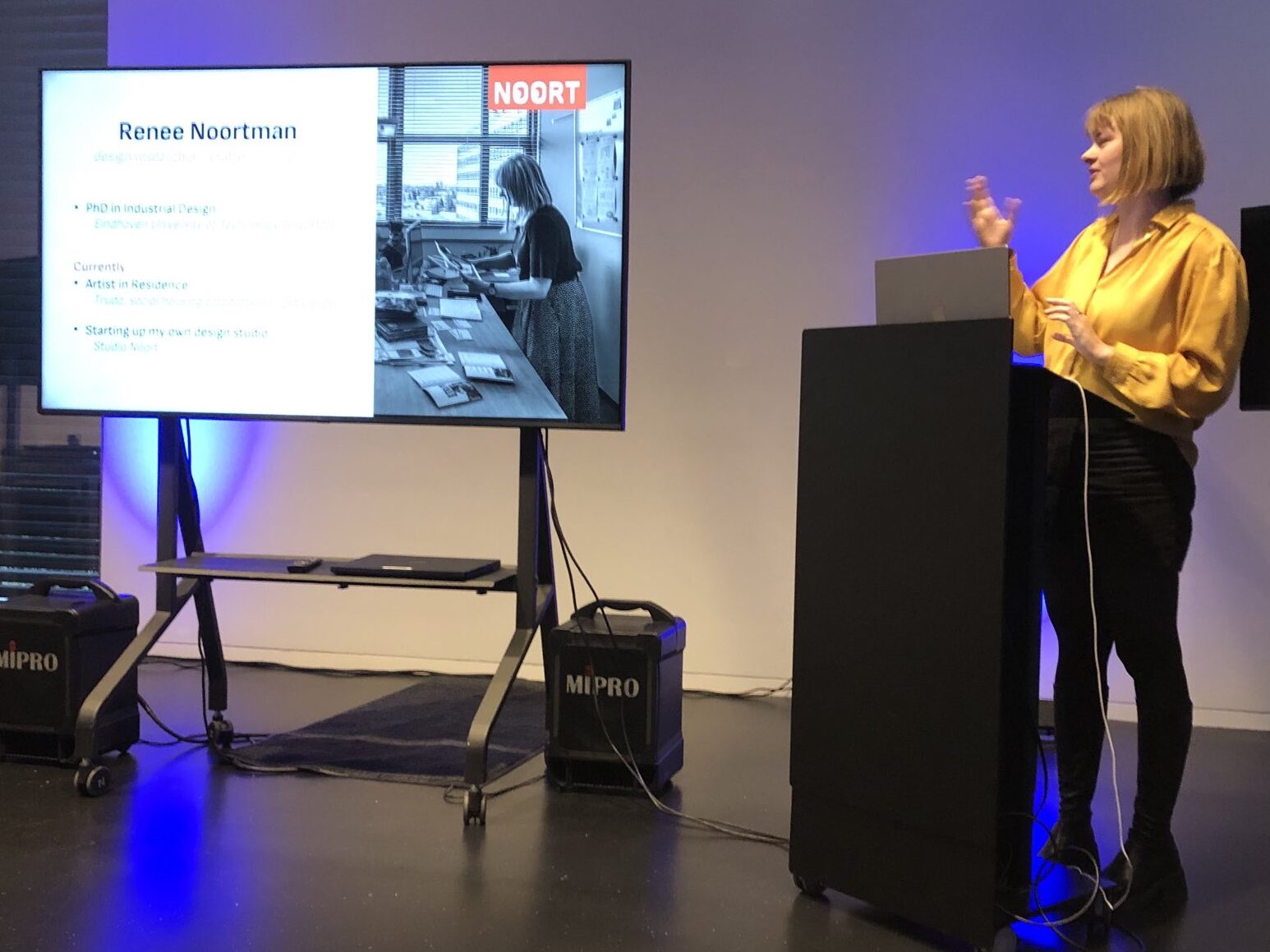
Once something takes shape, I like to take it out into the wild. Through exhibitions, publications and conversations, I share work that sparks curiosity and hope. I aim to create experiences that open up dialogue, rather than deliver answers — encounters that leave space for people to see their own role in shaping the future.

Invite
Many of my projects culminate in an invitation. A prompt to make, to imagine, or to reflect together. Whether through workshops, participatory installations or shared crafting moments, I design spaces where people can connect to one another and to the issues at hand. Every project becomes an opportunity to co-create a more caring, equitable world.
Recent Work
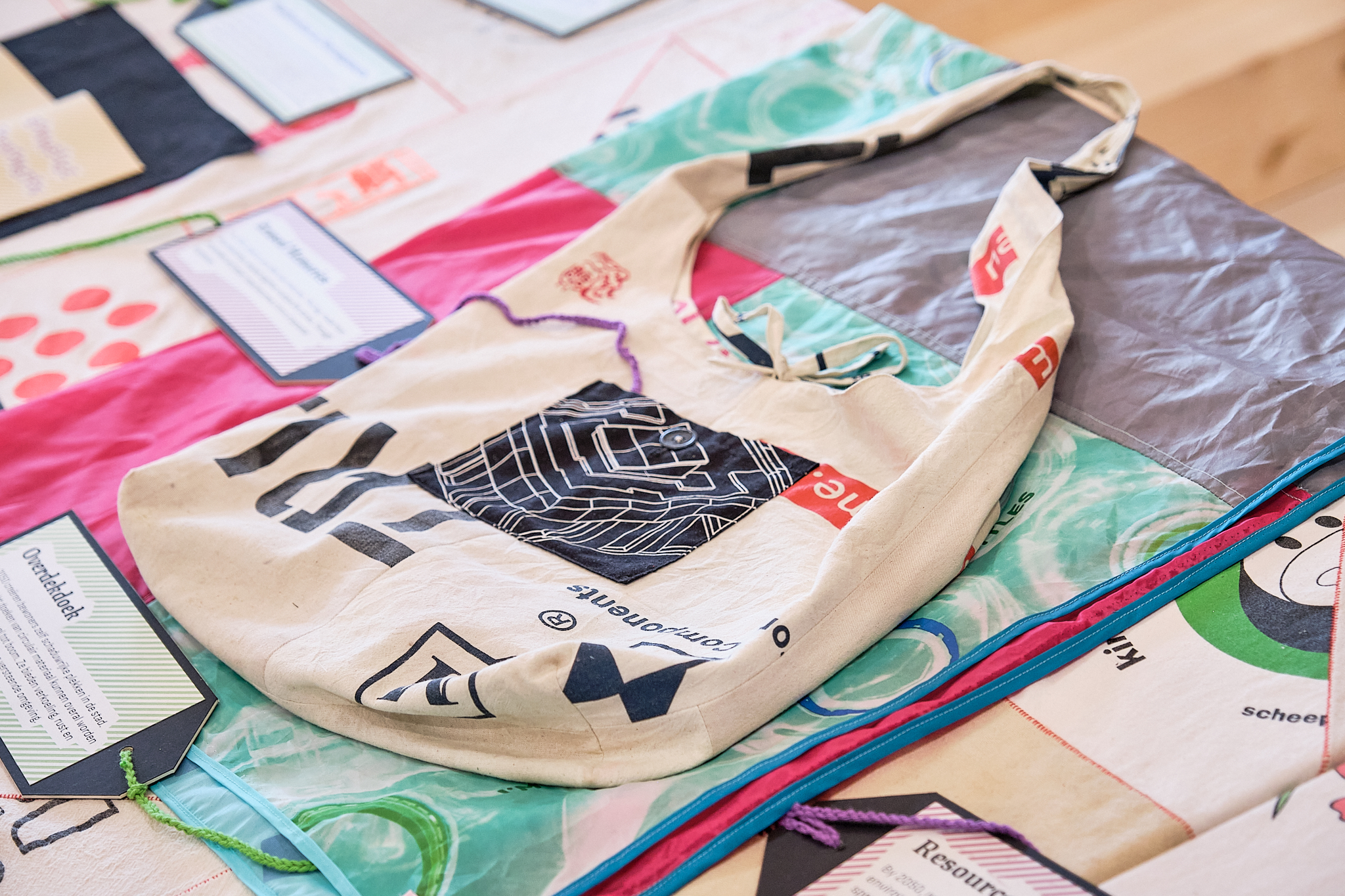
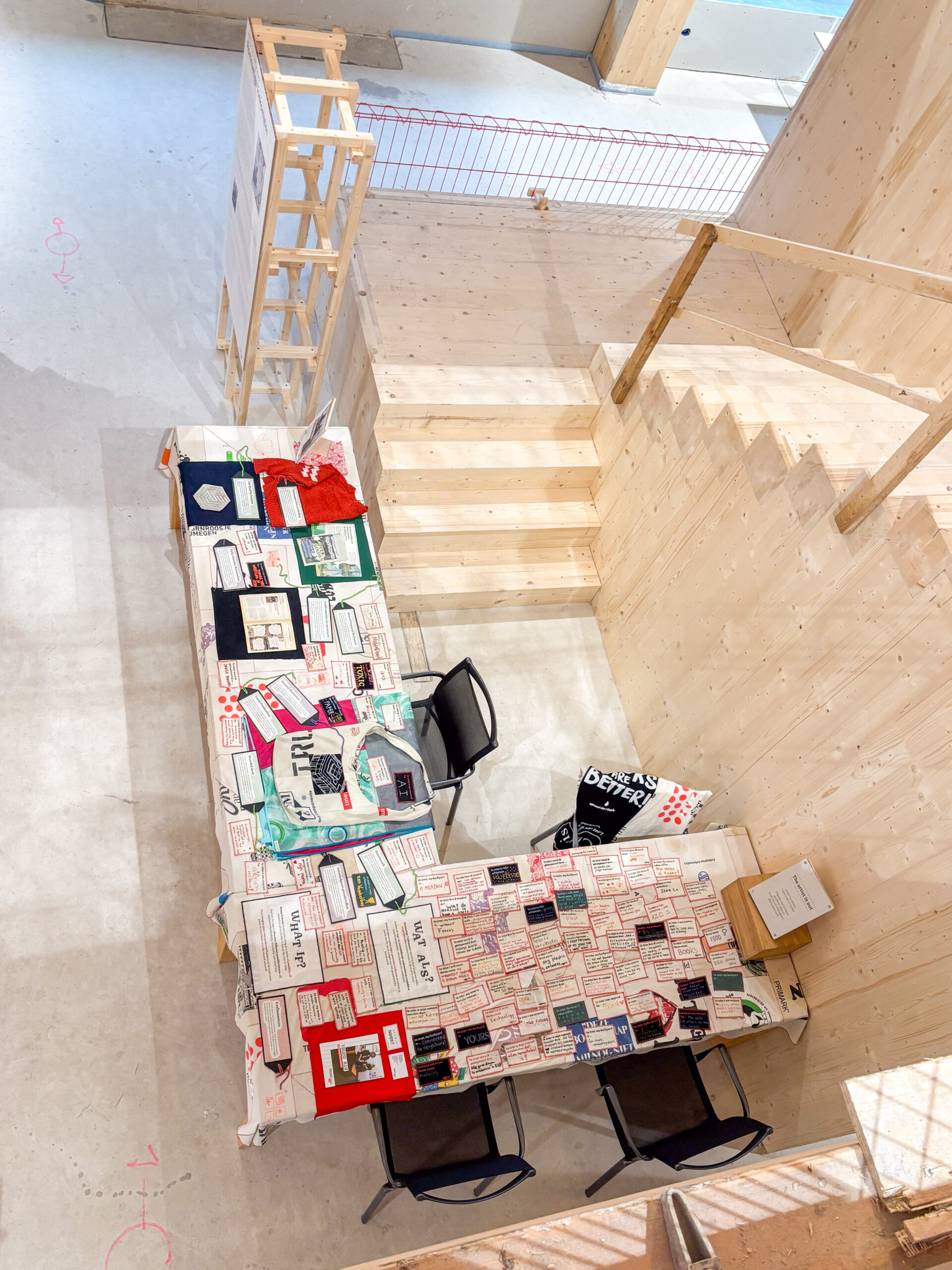
Messy Futures
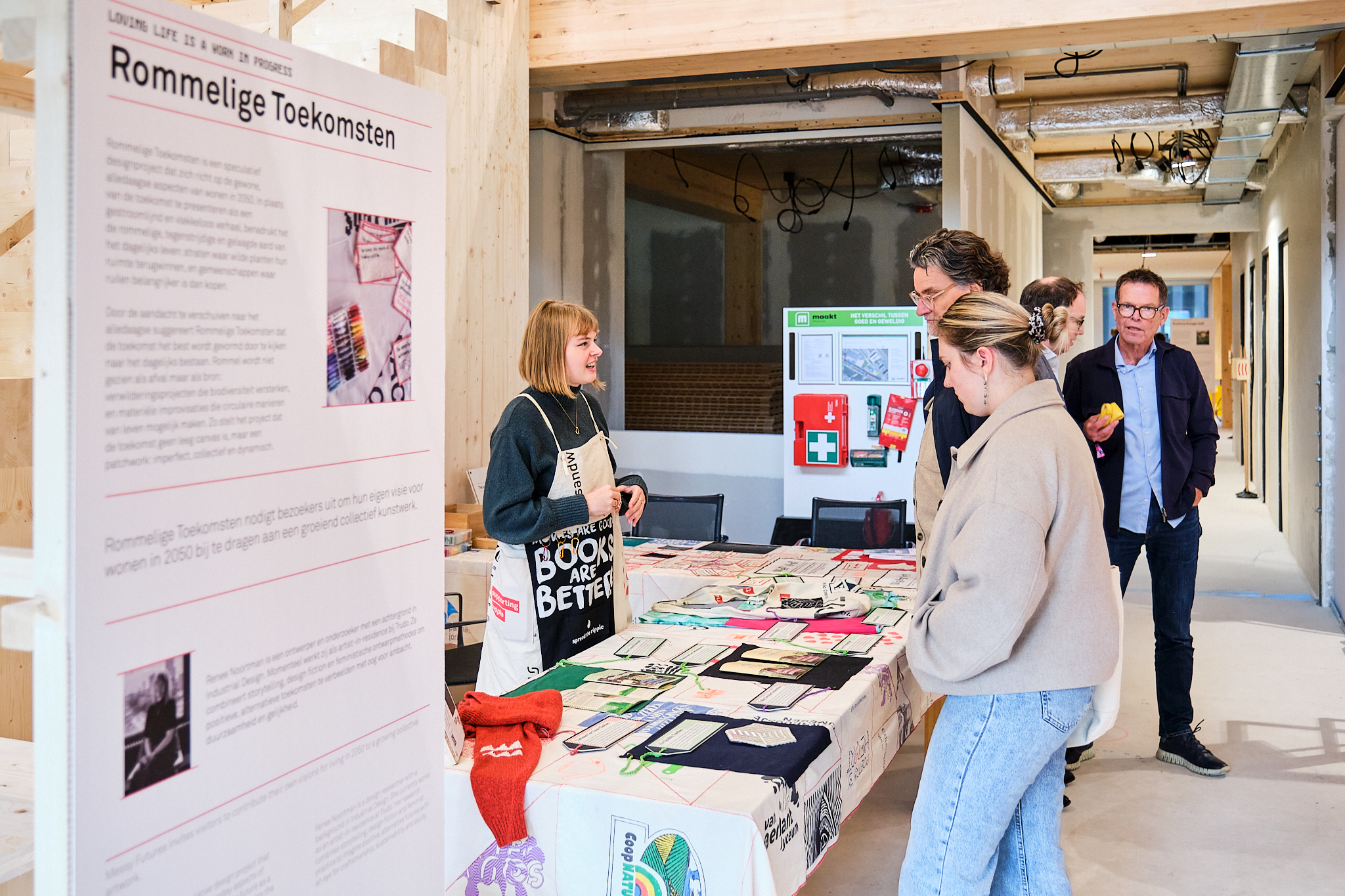
Messy Futures offers an alternative to the polished, tech-focused visions that often dominate future-thinking. Instead, it embraces mess as a metaphor for biodiversity, circularity and creativity. Through materials, textures and speculative scenarios, the project explores how embracing the natural and social “messiness” of life can guide us toward more equitable and sustainable futures.
Crafting Worlds
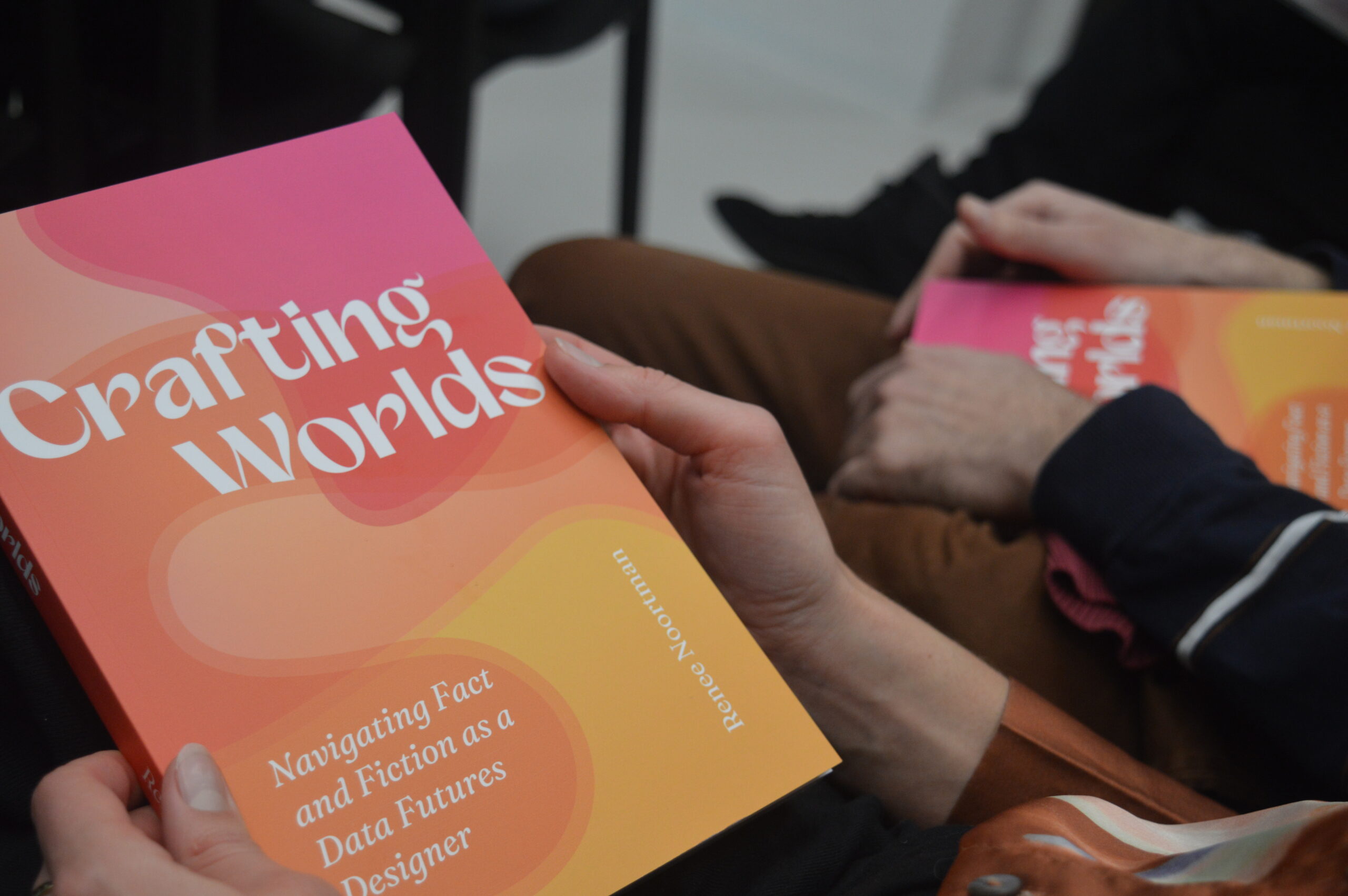
In January 2025 I defended my PhD thesis at TU/e Industrial Design, titled Crafting Worlds: Navigating Fact and Fiction as a Data Futures Designer. Using the principles of data-enabled design as a starting point, my work set out to enrich data design approaches with storytelling to make them (1) more transdisciplinary and (2) more closely entangled with visions of the future.